 English
 الوكيل الرسمي في مصر
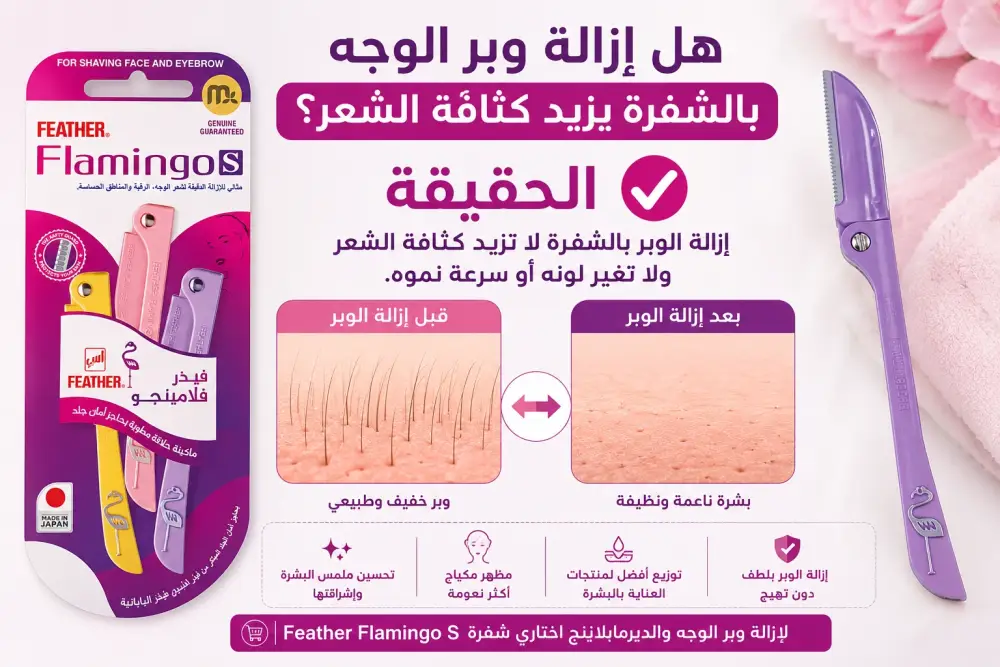
هل إزالة وبر الوجه بالشفرة تزيد كثافة الشعر؟ الحقيقة وراء أشهر خرافة
تتردد كثير من السيدات قبل إزالة وبر الوجه بالشفرة بسبب اعتقاد شائع: أن الشعر سيعود أكثر كثافة أو خشونة أو أغمق لونًا.
الإجابة الواضحة هي: لا، قص شعر الوجه بالشفرة لا يزيد عدد الشعرات، ولا يغير سمكها الحقيقي، ولا يجعلها تنمو أسرع أو بلون أغمق.
لكن الشعر قد يبدو أو يُحس أكثر وضوحًا في بداية نموه بعد القص. وهذا الاختلاف المؤقت في الشكل والملمس هو السبب الحقيقي وراء استمرار هذه الخرافة.
في هذا الدليل نشرح ما يحدث للشعرة عند استخدام الشفرة، والفرق بين وبر الوجه الطبيعي والشعر الخشن، ومتى يكون استخدام شفرة الوجه خيارًا تجميليًا مناسبًا، ومتى يستحق تغير الشعر تقييمًا طبيًا.
للتعرف أولًا على التقنية كاملة، اقرئي دليل الديرمابلانينج وإزالة وبر الوجه في مصر.
الإجابة المختصرة: هل الشفرة تكثف شعر الوجه؟
لا.
تقص الشفرة الجزء الظاهر من الشعرة عند سطح البشرة، لكنها لا تصل إلى بصيلة الشعر الموجودة أسفل الجلد.
لذلك لا تستطيع الشفرة أن تغير:
- عدد بصيلات الشعر.
- القطر الحقيقي للشعرة.
- لون الشعر الذي تنتجه البصيلة.
- سرعة دورة نمو الشعر.
- نوع الشعر من ناعم إلى خشن.
تتحدد هذه الصفات أساسًا بعوامل مثل الوراثة والعمر والهرمونات وحساسية بصيلات الشعر.
لماذا يبدو الشعر أكثر خشونة بعد استخدام الشفرة؟
تنمو الشعرة الطبيعية بطرف رفيع ومدبب. عندما تقصها الشفرة، يصبح الطرف مستقيمًا وغير مدبب.
وعند بداية ظهور هذا الطرف المقصوص فوق سطح البشرة، قد:
- يُحس أكثر خشونة عند اللمس.
- يبدو أوضح تحت الإضاءة.
- يظهر أغمق قليلًا لأن الجزء الجديد لم يتعرض بعد للشمس أو الاحتكاك.
- يشبه شعرة أكثر سمكًا بسبب شكل الطرف المستقيم.
لكن هذا تأثير بصري ولمسي مؤقت. لم تتغير البصيلة، ولم تصبح الشعرة أكثر سمكًا من الجذر.
هل الديرمابلانينج يختلف عن الحلاقة العادية؟
كلاهما يقص الشعر عند سطح البشرة ولا يصل إلى البصيلة.
لكن الديرمابلانينج المنزلي يستخدم عادة شفرة مخصصة للوجه وحركات قصيرة ومتحكمًا فيها لإزالة الوبر، وقد يزيل أيضًا جزءًا محدودًا من التراكمات وخلايا الجلد السطحية.
أما ماكينة أو شفرة الجسم التقليدية فمصممة عادة لمناطق وشعر مختلفين، وقد يكون رأسها أقل ملاءمة للزوايا الدقيقة في الوجه.
مهما اختلفت الأداة، تظل القاعدة نفسها: قص الشعر من السطح لا يغير طريقة إنتاجه داخل البصيلة.
راجعي دليل الشفرات الآمنة والمخصصة لإزالة وبر الوجه.
ما الفرق بين وبر الوجه والشعر الخشن؟
وبر الوجه الطبيعي
الوبر أو الشعر الزغبي يكون عادة:
- ناعمًا ورقيقًا.
- قصيرًا نسبيًا.
- فاتحًا أو قليل الصبغة.
- موجودًا طبيعيًا على الخدين والجبهة والفك.
وجوده طبيعي ولا يعني وجود اضطراب هرموني.
الشعر الطرفي الخشن
الشعر الطرفي يكون أكثر سمكًا ووضوحًا وصبغة، وقد يظهر حول الذقن أو أعلى الشفاه أو في مناطق أخرى.
قص هذا الشعر بالشفرة لا يجعله أخشن، لكنه قد يعود بملمس أوضح لأن طرفه أصبح مستقيمًا.
إذا ظهر الشعر الخشن فجأة أو أصبح يتزايد بسرعة، فلا تفترضي أن الشفرة هي السبب؛ قد يكون التغير مرتبطًا بالعمر أو الوراثة أو الأدوية أو عوامل هرمونية تحتاج إلى تقييم.
اقرئي دليل شعر الوجه الخشن أو الهرموني عند النساء.
هل تكرار الحلاقة يجعل الشعر ينمو أسرع؟
لا. تكرار الحلاقة قد يجعلك تلاحظين عودة الشعر بصورة متكررة لأنك تراقبين المنطقة عن قرب، لكنه لا يسرّع دورة النمو داخل البصيلة.
يظهر الشعر بعد الحلاقة أسرع مقارنة بالشمع أو الفتلة لأن:
- الحلاقة تقص الشعر عند السطح فقط.
- الشمع والفتلة ينزعان الشعر من الجذر.
- الشعرة المنزوعة تحتاج وقتًا أطول لتخرج من البصيلة وتصل إلى سطح الجلد.
هذا فرق في طريقة الإزالة، وليس دليلًا على أن الشفرة زادت سرعة النمو.
هل يصبح شعر الوجه أغمق بعد الديرمابلانينج؟
لا تغير الشفرة كمية الصبغة التي تنتجها بصيلة الشعر.
قد يبدو الشعر النامي حديثًا أكثر وضوحًا لأن:
- طرفه مستقيم.
- الجزء الجديد لم يتعرض لعوامل قد تخفف اللون ظاهريًا.
- التباين بين الشعر والبشرة يكون أوضح تحت بعض الإضاءات.
لكن لون الشعرة الحقيقي لم يتغير بسبب القص.
هل يمكن أن تتحول الشعيرات الناعمة إلى شعر خشن بعد الحلاقة؟
الحلاقة وحدها لا تحول الشعر الزغبي إلى شعر طرفي خشن.
قد يتحول نمط بعض الشعر بمرور الوقت بسبب:
- التغيرات الهرمونية.
- التقدم في العمر.
- الحمل أو ما بعد الولادة.
- مرحلة ما حول انقطاع الطمث.
- بعض الأدوية أو الحالات الصحية.
- العوامل الوراثية.
إذا حدث هذا التحول بعد بدء الحلاقة، فقد يكون التزامن الزمني هو ما جعل الشفرة تبدو مسؤولة، رغم أن السبب الفعلي يحدث داخل البصيلة وليس عند سطح البشرة.
هل إزالة الوبر بالشفرة لها فوائد تجميلية؟
قد تساعد إزالة وبر الوجه بطريقة مناسبة على:
- الحصول على ملمس أكثر نعومة بصورة مؤقتة.
- تقليل ظهور الوبر تحت الإضاءة أو التصوير.
- مساعدة الفاونديشن على الظهور بصورة أكثر تجانسًا.
- توزيع منتجات العناية بسهولة أكبر على سطح البشرة.
- إزالة جزء محدود من التراكمات السطحية عند استخدام تقنية الديرمابلانينج.
هذه فوائد تجميلية مؤقتة. الديرمابلانينج ليس علاجًا لحب الشباب أو التصبغات أو المسام أو أي مرض جلدي.
هل إزالة الوبر بالشفرة آمنة لكل شخص؟
لا توجد طريقة آمنة بصورة مطلقة لكل أنواع البشرة.
قد تسبب شفرة الوجه:
- احمرارًا أو لسعًا.
- جفافًا أو تهيجًا.
- خدوشًا أو جروحًا سطحية.
- حبيبات بسبب الاحتكاك أو الأداة غير النظيفة.
- تصبغًا بعد الالتهاب لدى البشرة المعرضة لذلك.
يزداد الخطر مع الضغط القوي، والتمرير المتكرر، والشفرة التالفة، واستخدامها فوق بشرة ملتهبة.
متى يجب تجنب إزالة شعر الوجه بالشفرة؟
أجلي الاستخدام عند وجود:
- حب شباب ملتهب أو عميق.
- جروح أو قروح أو خدوش.
- حروق شمس.
- طفح أو عدوى جلدية.
- إكزيما أو روزاسيا نشطة.
- تقشر شديد أو حاجز بشرة متضرر.
- تهيج من إجراء ليزر أو تقشير حديث.
إذا كانت بشرتك سريعة التفاعل، اقرئي دليل الديرمابلانينج للبشرة الحساسة.
الطريقة الصحيحة لإزالة وبر الوجه
- اغسلي الوجه بغسول لطيف وجففيه تمامًا.
- استخدمي شفرة وجه نظيفة وسليمة.
- اعملي أمام إضاءة ومرآة واضحتين.
- شدّي البشرة برفق باليد الأخرى.
- استخدمي حركات قصيرة وضغطًا خفيفًا جدًا.
- تجنبي المرور المتكرر على الموضع نفسه.
- ابتعدي عن الحبوب والجروح والشامات البارزة.
- ضعي مرطبًا لطيفًا سبق أن تحملته البشرة.
- استخدمي واقي شمس واسع الطيف خلال النهار.
لشرح التقنية بالتفصيل، راجعي دليل الديرمابلانينج المنزلي خطوة بخطوة.
أخطاء قد تجعل الشعر يبدو أوضح أو تسبب التهيج
- الضغط بقوة: يزيد الاحتكاك ولا يمنح نتيجة أطول.
- تكرار المرور: قد يسبب تقشيرًا زائدًا واحمرارًا.
- استخدام شفرة غير حادة: يؤدي إلى السحب والحاجة إلى ضغط أكبر.
- الحلاقة على بشرة متهيجة: قد تزيد الالتهاب والحبيبات.
- التكرار الزائد: لا يغير كثافة الشعر لكنه قد يضر حاجز البشرة.
- مراقبة النمو يوميًا: تجعل التغير الطبيعي يبدو أسرع مما هو عليه.
اقرئي 7 أخطاء شائعة في الديرمابلانينج وكيفية تجنبها.
كم مرة يمكن إزالة وبر الوجه؟
لا يجب تحديد التكرار بناءً على الخوف من زيادة كثافة الشعر، لأن الشفرة لا تزيد الكثافة.
يجب تحديده بناءً على:
- مدى سرعة ظهور الشعر لديك.
- استجابة البشرة.
- وجود جفاف أو احمرار بعد الجلسة.
- حدة الشفرة ونظافتها.
- استخدام مقشرات أو علاجات أخرى.
تكون مدة 3 إلى 4 أسابيع نقطة بداية شائعة للديرمابلانينج الكامل للوجه، بينما قد تحتاج البشرة الجافة أو الحساسة إلى فترة أطول.
لا تعيدي الجلسة قبل أن تهدأ البشرة تمامًا.
اقرئي كم مرة يمكن عمل الديرمابلانينج حسب نوع البشرة؟
الشفرة أم الشمع أم الفتلة؟
تختلف الطرق في موضع إزالة الشعر:
- الشفرة والديرمابلانينج: يقصان الشعر عند السطح، فيعود للظهور أسرع لكن من دون انتزاع البصيلة.
- الشمع: ينزع الشعر من الجذور، فتدوم النتيجة غالبًا مدة أطول، لكنه قد يسبب ألمًا أو تهيجًا.
- الفتلة: تنزع الشعر من الجذور وتوفر دقة حول الحواجب، لكنها قد تسبب احمرارًا أو التهاب البصيلات.
لا تجعل أي طريقة الشعر أكثر كثافة بطريقة مضمونة، كما لا يمكن ضمان أن النزع المتكرر سيخففه بصورة دائمة.
راجعي:
ماذا عن الليزر؟
يختلف الليزر عن الشفرة لأنه يستهدف صبغة الشعر والبصيلة بهدف تقليل النمو على المدى الطويل.
لكن الليزر:
- لا يناسب كل ألوان وأنواع الشعر بالطريقة نفسها.
- لا يعالج السبب الهرموني المحتمل.
- يحتاج إلى عدة جلسات.
- قد يحتاج إلى صيانة لاحقة.
لا تُعد الشفرة بديلًا مطابقًا لليزر، ولا يُعد الليزر ضروريًا لمجرد وجود وبر طبيعي.
اقرئي الليزر أم الديرمابلانينج: ما الفرق؟
متى يحتاج تغير شعر الوجه إلى فحص؟
لا تلومي الشفرة إذا ظهر تغير جديد في الشعر.
راجعي طبيبًا إذا أصبح الشعر:
- أكثر خشونة أو كثافة بصورة مفاجئة.
- ينتشر بسرعة في الذقن أو الصدر أو البطن.
- مصحوبًا بعدم انتظام الدورة الشهرية.
- مصحوبًا بحب شباب شديد أو جديد.
- مصحوبًا بترقق شعر فروة الرأس.
- مصحوبًا بتغيرات أخرى مثل خشونة الصوت.
الإزالة التجميلية لا تمنع التقييم، لكنها لا يجب أن تحل محل معرفة سبب التغير.
لماذا استخدام شفرة مخصصة للوجه مهم؟
تسمح شفرة الوجه ذات الرأس الصغير والحاجز الدقيق بتحكم أفضل من الأدوات المصممة لمساحات الجسم الكبيرة.
لكن وجود الحاجز لا يضمن عدم حدوث الجروح أو التهيج. تظل التقنية وحالة البشرة ونظافة الأداة عوامل أساسية.
تتميز شفرة Feather Flamingo S الأصلية بحاجز دقيق ومقبض خفيف قابل للطي، وهي مصممة لإزالة وبر الخدين والجبهة وخط الفك بحركات قصيرة ومتحكم فيها.
استخدميها فقط على بشرة هادئة، واستبدليها عند تلفها أو فقدان سلاسة الحركة.
تتوفر منتجات Feather Japan الأصلية من خلال موزون مصر، الوكيل والموزع الرسمي لمنتجات Feather Japan في مصر وشمال أفريقيا منذ عام 2020.
الأسئلة الشائعة
هل إزالة وبر الوجه بالشفرة تزيد كثافة الشعر؟
لا. الشفرة تقص الجزء الظاهر فقط ولا تزيد عدد البصيلات أو سمك الشعرة الحقيقي.
لماذا أشعر أن الشعر أصبح أخشن؟
لأن الطرف المقصوص مستقيم وليس مدببًا. قد يشعر بالخشونة في بداية النمو، لكن البصيلة والشعرة لم تصبحا أكثر سمكًا.
هل يتغير لون الشعر بعد الديرمابلانينج؟
لا تغير الشفرة صبغة الشعر. قد يبدو الطرف الجديد أوضح مؤقتًا بسبب شكله والإضاءة، لكن لونه الحقيقي لم يتغير.
هل الحلاقة تجعل الشعر ينمو أسرع؟
لا. يظهر أسرع من الشعر المنزوع بالشمع أو الفتلة لأن الجذر بقي في مكانه، وليس لأن سرعة النمو زادت.
هل تتحول الشعيرات الناعمة إلى شعر خشن؟
ليس بسبب الشفرة. قد تتغير بعض الشعيرات بسبب العمر أو الهرمونات أو الوراثة أو الأدوية، ويجب تقييم التغير المفاجئ أو الشديد.
هل يمكن إزالة وبر الوجه كل أسبوع؟
تكرار الإزالة لا يزيد كثافة الشعر، لكنه قد يزيد تهيج البشرة. الديرمابلانينج الكامل أسبوعيًا غير ضروري عادة، ويجب ترك وقت كافٍ لتعافي البشرة.
هل يمكن استخدام الشفرة على الحبوب؟
لا تمرريها فوق الحبوب الملتهبة أو الجروح، لأن ذلك قد يزيد الالتهاب أو يسبب جرحًا وينقل البكتيريا إلى مناطق أخرى.
هل الشمع يخفف الشعر بينما الشفرة تكثفه؟
الشفرة لا تكثف الشعر. وقد يلاحظ بعض الأشخاص تغيرًا بعد النزع المتكرر، لكن ترقق الشعر بالشمع ليس نتيجة مضمونة للجميع.
هل الديرمابلانينج مناسب للشعر الخشن في الذقن؟
يمكنه قص الشعر الظاهر مؤقتًا، لكنه لا يقلل نموه. إذا أصبح شعر الذقن خشنًا أو متزايدًا بصورة جديدة، فالأفضل تقييم السبب.
هل نتائج إزالة الوبر دائمة؟
لا. تظل بصيلة الشعر موجودة، ولذلك يعود الشعر وفق دورة نموه الطبيعية.
الخلاصة
- إزالة وبر الوجه بالشفرة لا تزيد كثافة الشعر أو لونه أو سرعة نموه.
- قد يبدو الشعر أو يُحس أكثر خشونة لأن طرفه أصبح مستقيمًا بعد القص.
- الشفرة لا تحول الوبر الناعم إلى شعر خشن.
- التغير الحقيقي في نمط الشعر يرتبط غالبًا بعوامل داخلية مثل العمر والوراثة والهرمونات.
- الديرمابلانينج يمنح نتيجة تجميلية فورية ومؤقتة ولا يعالج سبب نمو الشعر.
- التقنية الخاطئة قد تسبب تهيجًا حتى لو لم تؤثر في كثافة الشعر.
- الشعر الخشن المفاجئ أو المتزايد مع أعراض أخرى يستحق تقييمًا طبيًا.
لإزالة وبر الوجه بطريقة منظمة، اقرئي دليل الديرمابلانينج الكامل واتبعي خطوات الاستخدام المنزلي الآمن.
يمكنك التعرف على شفرة Feather Flamingo S الأصلية لإزالة وبر الوجه من خلال صفحة Feather Egypt الرسمية.